Experienced Immigration Legal Professional: Guide Your Journey to U.S. Residency With Confidence
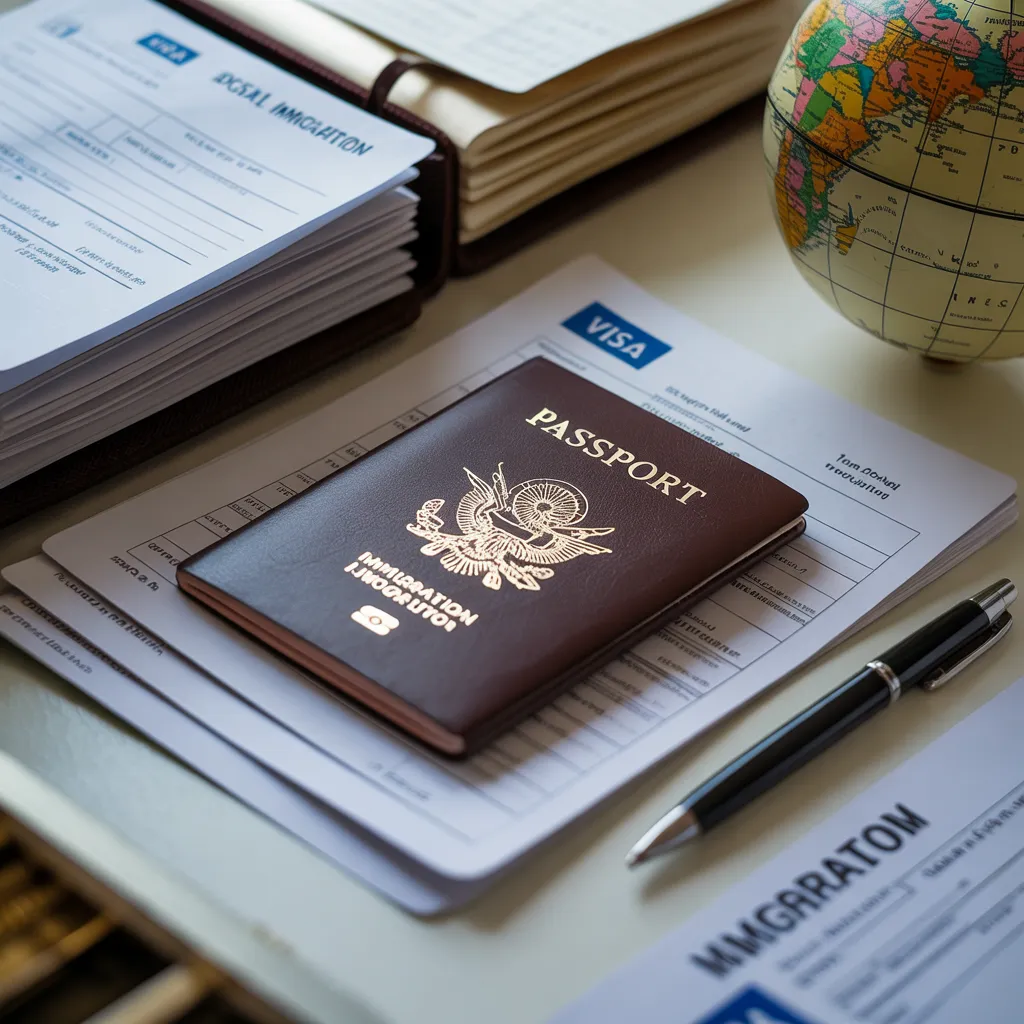
Navigating through the U.S. immigration process can be daunting. An skilled immigration lawyer serves a crucial function in simplifying this journey. They evaluate individual cases and customize strategies to address unique needs. From preparing essential documents to advocating for clients in hearings, their expertise is essential. Understanding the complexities of immigration law can be transformative. Yet, many still face challenges in choosing the right representation. What key factors should one consider in this decision?
Grasping the Significance of an Immigration Law Professional
An immigration attorney serves a critical function in navigating the intricate terrain of immigration law. They offer precious counsel to people maneuvering through the intricate processes involved in securing visas, permanent residency, or citizenship. By comprehending both federal and state regulations, these legal professionals help clients avoid common pitfalls and guarantee compliance with immigration laws.
Immigration lawyers evaluate individual cases, tailoring approaches to address specific needs. They compile and submit required paperwork, advocate for clients in hearings, and communicate with immigration authorities on their behalf. This advocacy is critical, especially in cases concerning deportation or lawful challenges.
Additionally, immigration advocates keep up with legislative and policy changes, which can markedly affect their clients' applications. Their expertise not only makes efficient the immigration pathway but also promotes trust in clients, enabling them to focus on their new beginnings in a distant land.
Main Immigration Choices: Professional Permits, Family Endorsement, and Resident Status Cards
Within the realm of immigration, several routes exist for persons intent on to build their lives in a new country. Employment visas offer employment prospects, while familial sponsorship initiatives support reconnection with loved ones with family members. Furthermore, the pathway to procuring a copyright provides a more permanent solution for those looking to make their home long-term.
Classes of Work Visas
Grasping the range of work visas is essential for applicants looking for employment chances in another country. In the United States, various categories exist, each intended for specific purposes and qualifications. The H-1B visa, as an example, allows employers to temporarily employ foreign workers in specialty occupations. In contrast, the L-1 visa supports intra-company transfers for employees of multinational companies. The O-1 visa caters to individuals with extraordinary ability in their fields, while the TN visa is specifically for Canadian and Mexican citizens under the USMCA. Moreover, the E-2 visa opens opportunities for investors and their employees. Each visa type has separate requirements and application processes, making it vital for prospective applicants to understand their options carefully.
Family Support Choices
Family sponsorship mechanisms present another important pathway for individuals looking to move to the United States. This mechanism permits U.S. citizens and lawful permanent residents to file applications for their relatives to move to the country. Spouses, children, and parents, which are immediate relatives, usually receive priority, benefiting from a streamlined application system. Moreover, family members of U.S. citizens can often avoid waiting periods, whereas other family members may experience extended timelines because of annual caps on visas. Understanding the necessary eligibility requirements and necessary documents for each category is vital for successful applications. Legal assistance can help navigate complexities and guarantee adherence to immigration laws, ultimately supporting family reunification in the U.S.
Pathway to copyright
Identifying the pathway to permanent residency involves diverse visa alternatives, such as employment visas and family sponsorship. Employment-based copyright typically require an employment offer from a U.S. employer and may demand employment verification to prove no suitable U.S. workers are available. Alternatively, family-based immigration permits U.S. nationals and lawful permanent residents to apply for their relatives, with priority given to immediate family members. In addition, specific humanitarian programs, such as asylum or refugee status, provide pathways for securing a copyright card. Each pathway contains specific qualification requirements and application processes, requiring thoughtful evaluation and frequently professional counsel. Understanding the various pathways empowers people to traverse the intricacies of American immigration regulations successfully.
What You Should Know During Your Immigration Experience
Navigating the immigration process can typically be a difficult and intricate process. Individuals should expect several phases, each requiring thorough preparation and meticulous focus. Initially, applicants will collect necessary documentation, including identification, financial records, and proof of relationships or employment.
Once applications are submitted, candidates might encounter a waiting period, during which their cases are processed by immigration authorities. This phase can differ in length based on the type of visa or residency requested.
Interviews serve as another crucial component, where applicants must articulate their positions in person. During this stage, questions about their background, intentions, and eligibility are common.
Throughout the process, applicants should remain informed about any modifications or demands from immigration officials. Patience and diligence are essential, as the journey can involve unexpected challenges. Comprehending these aspects can help individuals chart their course with enhanced confidence and lucidity.
Top Benefits Retain an Immigration Legal Professional for Your Case
Managing the complexities of immigration can be disconcerting, making the support of an immigration lawyer a valuable asset. First and foremost, immigration lawyers exhibit comprehensive understanding of the elaborate laws and regulations governing U.S. immigration. This competence allows them to navigate potential pitfalls that applicants might overlook.
In addition, an immigration lawyer can extend individualized legal direction configured to individual circumstances, verifying that clients engage in informed decision-making throughout the undertaking. They can also contribute to the preparation of required documentation, restricting the potential of problems that could lead to delays or denials.
Additionally, attorneys can effectively represent clients during interviews and hearings, advocating for their legal interests and protections. Their experience in dealing with government agencies can streamline improved communication and help expedite cases. Ultimately, retaining an immigration legal professional can heighten the chances of a favorable result, supplying peace of mind during a arduous process.
Discovering the Most Suitable Visa Attorney Matched to You
Choosing an suitable immigration attorney is vital for traversing intricate legal processes. It is important to take into account the lawyer's credentials and experience, as well as their specialization in immigration law. These factors can greatly influence the outcome of one's case and guarantee effective representation.
Certifications and Track Record
Picking an immigration lawyer involves careful assessment of their credentials and experience. Those looking for legal help should search for attorneys who have a Juris Doctor (JD) degree from an accredited law school and are licensed to practice in their state. Being a member of professional associations, including the American Immigration Lawyers Association (AILA), reflects a commitment to staying informed about immigration law. Having experience with cases like one’s own is crucial; this involves knowledge of particular visa categories and procedures. In addition, positive client testimonials along with a reliable history of favorable outcomes serve to validate a lawyer’s expertise. Ultimately, thorough research into a lawyer’s background guarantees informed decision-making in the complex immigration landscape.
Concentration on Immigration Law
Finding the most suitable immigration lawyer largely depends on their specialization in immigration law. Immigration law is multi-faceted and ever-evolving, requiring attorneys to stay updated on regulations and policies. A lawyer specializing in immigration can provide custom advice and strategies specific to individual needs, whether it involves family-based visas, employment sponsorship, or asylum applications. This skill set guarantees the lawyer is knowledgeable about nuances that could substantially determine a case's outcome. Additionally, specialized lawyers often have established relationships with immigration officials, boosting communication and performance. Clients should seek attorneys with a successful history in their specific area of need, ensuring they receive sound guidance and effective representation throughout the immigration process. This focused approach is essential for maneuvering the often challenging U.S. immigration landscape.
Empowering Yourself: Questions to Pose to Your Immigration Lawyer?
How can parties guarantee they are well-prepared for discussions with their immigration lawyer? One effective strategy is to assemble a list of pertinent questions that handle their unique circumstances. Key inquiries might include: "What are my options for obtaining residency?" and "What conceivable hurdles should I predict in my case?" Clients should also ask about the lawyer's experience with similar cases and the estimated timeline for their application process.
In addition, it is essential to comprehend the financial costs at hand. Questions such as, "What are your rates, and are there any extra costs I should be informed about?" can elucidate monetary assumptions. Individuals should also question communication preferences, such as how often they can expect updates and the most suitable ways to contact their legal counsel. By asking these inquiries, individuals arm themselves with understanding, ensuring a more worthwhile partnership with their immigration legal counsel.
Often Posed Questions
What is the typical timeframe for the immigration process?
The copyright procedure typically requires anywhere from a few months to multiple years, based on the visa type, personal situation, and speed of processing. Factors such as application completeness and background checks can greatly influence the total length of time.
What Are the Costs Related to Hiring an Immigration Attorney?
Expenditures related to hiring an immigration lawyer generally span from $100 to $500 per hour, depending on expertise and location. Additional fees could include application costs, filing fees, and potential retainers for substantial services.
Is it Feasible to File for Legal Residency Without Professional Representation?
Yes, people can apply for residency without a attorney. However, navigating the complicated legal matters and guaranteeing precise documentation may turn out to be challenging, raising the chance of postponements or rejections in the application process.
What Transpires if My Request Becomes Denied?
If an application is denied, the individual applying receives a communication explaining the useful guide rationale. They may object to the verdict or reapply, addressing the matters raised. Seeking expert legal direction can help clarify options and improve later applications.
Are Travel Restrictions Present During the Application Procedure?
Travel restrictions during the application period differ based on individual circumstances. Applicants should generally avoid international travel, as departing from the United States may jeopardize their status and impact their pending application for residency.